Showing posts with label supplements. Show all posts

August 29, 2019

Stop The "Just Pop a Pill" Mindset

We must break the "just pop a pill" mindset.
Opioids are legally made and and legally prescribed but they are tearing people's lives apart. We see people with opioid addictions on a regular basis.
It only takes two rounds of taking opioids to get severely addicted, and the devastation these drugs can bring quickly snowballs downhill from there.
If you know someone who is heading towards an addiction or is already addicted, you have to take massive action to get them to change. Sometimes rehab is the only option.
Steps towards prevention is the best option, and reducing pain can be done naturally through:
1. Anti-inflammatory diet
2. Anti-inflammatory supplements
3. Anti-inflammatory spices/herbs
4. Proper joint mobility
5. Proper muscle flexibility
6. Positive mindset

August 9, 2019

The Importance of Vitamin D

As different parts of the country get varying amounts of sunlight throughout the year and everyone's skin pigment is different, the best rule of thumb is to go outside and get some sun (without suntan lotion, as it prevents 95% of Vitamin D production) until your skin turns light pink -- not red. In sunny Florida, this may be only ten minutes, but in Michigan in the winter it could be 45 minutes.
Don't get a chance to get outside? Supplement with Vitamin D.
Most people need between 2,000 IU to 10,000 IU of Vitamin D a day to achieve beneficial levels. However, the average American only gets approximately 300 IU a day from their diet -- which is why deficiency and disease linked to low Vitamin D levels is so prevalent.
When a plant is sick, the first thing we do is water it and move it into the sun. These should be the first steps humans take as well to prevent sickness and promote wellness.

August 7, 2019

Soak Up The Sun

The average North American spends 90% of their time indoors, leaving very little time to get one of our body's most crucial nutrients - Vitamin D3 - from the sun.
Our stomach growls when we need more food, we become thirsty when we need more water, we know very quickly when we need more air... but what alerts us when we need more sunlight?
It is estimated that 85% of the American public and 95% of senior citizens are Vitamin D deficient, and this deficiency has been linked to almost every health condition known -- from heart disease to cancer to multiple sclerosis.
Optimizing your Vitamin D levels is one of the most powerful things you can do naturally to protect your health and boost your immune system.
August's New Month Resolution is to "Soak Up the Sun" and focus on getting Vitamin D from the sun, a natural and free source, as much as possible.

June 15, 2019

Internal Health

Nutrition should not be focused solely on weight loss. Also, just because someone looks good externally doesn't mean they are healthy internally.
If you are working with a health professional who doesn't understand this and the mechanisms of how nutrition correlates with inflammation and internal health it's time to move on.
Nutrition should be focused on getting you healthy internally and reducing inflammation as that's how you truly get healthy. If you create a healthy internal environment then weight loss will be a welcome side effect.
Most people don't mind carrying around an extra 20-30 lbs on a regular basis, but if they get cancer, heart disease, type 2 diabetes or rheumatoid arthritis for example their world is going to instantly change. We need to stop focusing on external weight and start focusing on internal health because that's where all health problems start.
A few factors to consider outside of weight:
1. How's your energy?
2. Do you have major energy swings after meals?
3. Do you get out of breath easily?
4. Are you flexible, can you get up off the ground quickly?
5. How's your sleep, do you get at least 6 hours per night?
6. What are your hsCRP levels?
7. What are your HbA1c levels?
8. What are your fasting glucose levels?
9. What are your fasting triglyceride levels?
10. What are your Vitamin D-3 levels?

June 6, 2019

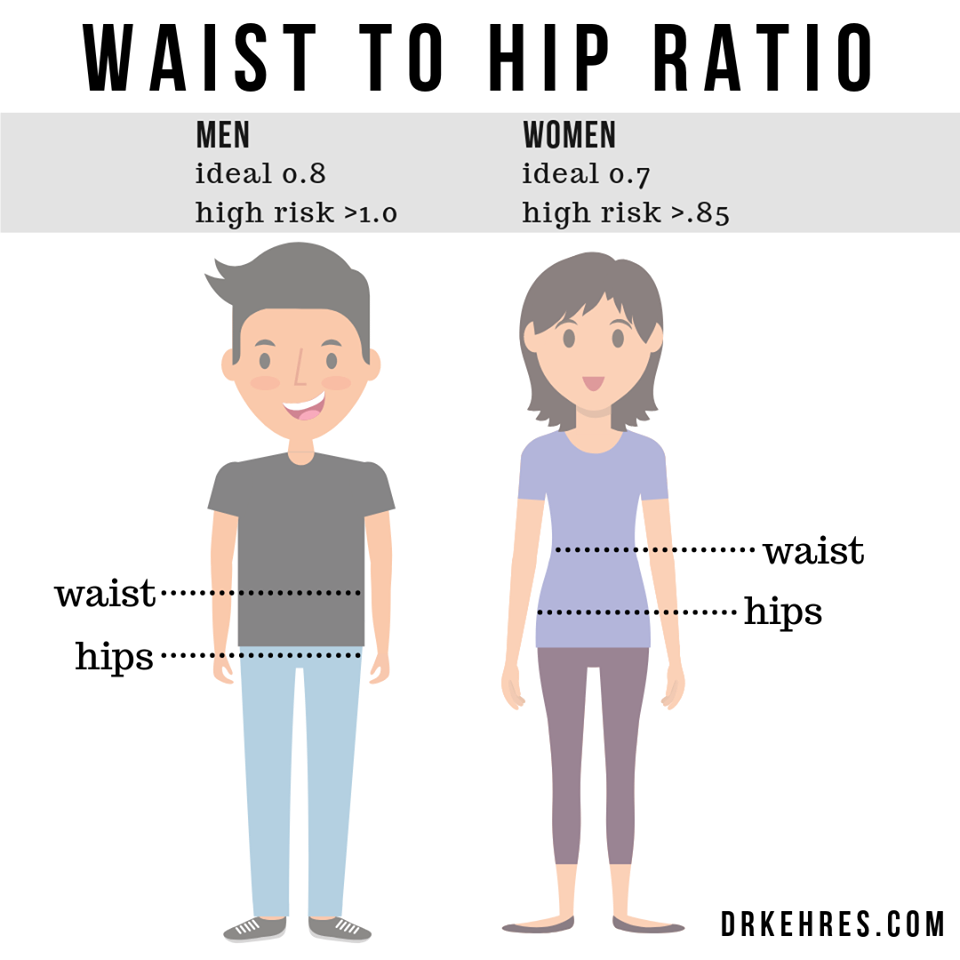
Waist to Hip Ratio and Overall Health

Measure yourself, and don't lie to yourself.
Waist to hip ratio is one of the easiest tests to see how your overall health is.
If you have a poor waist to hip ratio, it means your body is in an inflammatory state increasing pain and swelling internally but also that you are on your way to having high blood glucose, type 2 diabetes, high triglycerides, low HDL cholesterol, metabolic syndrome and heart disease just to name a few.
Usually the goal waist circumference for men is around 33" and 28" for women depending on your frame.
If you aren't in the proper ratio: 
1. Increase healthy protein 
2. Decrease net carbs to under 100 grams/day 
Net carbs = total carbs - fiber
3. Intermittent fast and only eat from 11-7 PM 3-7 days per week
4. Sleep more
5. Take magnesium to increase frequency of bowel movements

June 5, 2019

Nutra Disc for Joint Pain

Joint pain?
This study reviewed the effectiveness of ibuprofen and bioavailable curcumin, Meriva in the treatment of knee osteoarthritis pain.
Meriva is the most effective curcumin on the market because it is combined with a plant complex that makes it more bioavailable and better absorbed. Ibuprofen inhibits the synthesis of prostaglandins by blocking the COX enzyme which can stop pain and swelling - but not without side-effects. It can also stop normal functions of the blood, heart and gut.
Meriva is just one of the ingredients in Nutra Disc that makes it our go-to supplement for inflammation driven pain issues.
We carry Nutra Disc supplements at all of our Kehres Health & Chiropractic offices.

                                                                                   Source: https://www.ncbi.nlm.nih.gov

May 21, 2019

Low Dose Daily Aspirin: Increased Risk of Stroke

Low Dose Daily Aspirin: Increased Risk of Stroke
"Use of low-dose aspirin was associated with an overall increased risk of intracranial hemorrhage, and heightened risk of intracerebral hemorrhage"
How many times in the past have we seen a drug marketed for a certain benefit only to find out years later that it really wasn't true. Aspirin has been marketed heavily to doctors and patients as a preventative drug. "An aspirin a day is good for heart health!"
I have and will always have a hard time trusting someone who says a perfectly healthy person should take a medication as prevention...to stay healthy. Healthy food, supplements or other natural products I can get on board with but a medication to STAY healthy? Medications work by altering biochemical pathways, which means they will always have side effects. Yes, there is a time and place for certain medications, but that time and place is WAY to often and not to maintain health in someone who is already healthy!
"Pooling the results from the random-effects model showed that low-dose aspirin, compared with control, was associated with an increased risk of any intracranial bleeding (8 trials; relative risk, 1.37; 95% CI, 1.13-1.66; 2 additional intracranial hemorrhages in 1000 people), with potentially the greatest relative risk increase for subdural or extradural hemorrhage (4 trials; relative risk, 1.53; 95% CI, 1.08-2.18) and less for intracerebral hemorrhage and subarachnoid hemorrhage."

May 7, 2019

Benefits of Magnesium

1. Magnesium is involved in hundreds of biochemical reactions in your body
In fact, it’s involved in more than 600 reactions in your body, including:
Energy creation: Helps convert food into energy.
Protein formation: Helps create new proteins from amino acids.
Gene maintenance: Helps create and repair DNA and RNA.
Muscle movements: Is part of the contraction and relaxation of muscles.
Nervous system regulation: Helps regulate neurotransmitters, which send messages throughout your brain and nervous system
2. It may boost exercise performance
Studies have shown that supplementing with it can boost exercise performance for athletes, the elderly and people with chronic disease
(Source: healthline.com)
To read about benefits of magnesium, follow this link: https://www.healthline.com/nutrition

March 29, 2019

Improve Memory Loss and Dementia With Meriva

Worried about memory loss or dementia?
People that supplemented with a bioavailable type of curcumin such as Meriva had a 28% improvement in memory and attention abilities, improvements in mood, and less amyloid and tau signals in the brain. These changes help to boost memory and reduce the risk of dementia compared to those taking a placebo.
This study used 90 mg, twice a day. Meriva, which is a curcumin phytosome, has also been shown to reduce inflammation, pain, and improve mood in many other clinical trials as well.
We carry Anabolic Labs Nutra-Disc at all our locations that contains Meriva and is one of the only quality products like it on the market.
You can read the study here: https://www.sciencedirect.com/science/article/

February 20, 2019

Balancing Fatty Acids

Omega-3, Omega-6, fatty acids, fish oil… what does all this mean?
Omega-3 and Omega-6 fatty acids need to have a balanced ratio in our body. Ideally, it is good to have a ratio of 4:1 or less of Omega-6 to Omega-3 acids, but recent studies show that 95% of foods consumed in the U.S. are processed, driving this ratio up to 20:1 or even 50:1 in some people.
The average American has 24 times too much inflammation and this is why NSAID's (Aspirin, Tylenol, Ibuprofen, etc.) are the #1 over the counter medications and the rate of chronic inflammatory diseases is at an all-time high.
Keeping a balanced ratio helps reduce inflammation, and inflammation can lead to a variety of conditions ranging from mild back pain to heart disease and cancer. Eat more green vegetables, grass-fed meats, cage-free farm fresh eggs, wild game, fresh fish, flaxseeds, chia and hemp seeds. Avoid processed foods that have high amounts of Omega-6’s including grain, flour, corn, seeds, seed oils, grain fed meat and eggs, and farmed fish.
In addition to healthy eating, supplementing your diet with high-quality fish oil is very beneficial, and using a quality supplement is important in order to avoid high levels of mercury.

February 6, 2019

Magnesium Deficiency

The number one nutrient deficiency I see is magnesium. Magnesium is one of the most prevalent elements in the human body and is involved in over 300 metabolic reactions. It's also the first thing to be depleted when someone is stressed out.
Signs you are deficient:
Anxiety
Headaches
Constipation
Muscle spasms
Poor sleep
The average person should be getting around 1000 mg of magnesium per day. If someone is eating pretty healthy they could easily get around 600 mg from their food, so it is suggested they supplement with 400 mg of magnesium on top of that. However, most people are not eating healthy so they can require more than 400 mg per day.
The more stressed out you are the more magnesium you should take.
The quality of the supplement makes all the difference. Cheap supplements will have fillers, less magnesium than is listed on the label and it will be less pure than higher quality products. You pay for what you get in the supplement industry.
I suggest a combination of magnesium from amino acids chelate, malate and citrate. We carry Anabolic Labs Clinical Magnesium that has this exact combination.
The only side effect of taking too much is loose stools, and if someone is depleted it's suggested that they take enough to hit this point and back it off slightly.

December 24, 2018

Health Is a Lifestyle


"I think that focus on the scale and what it says or how we look in the mirror too often derails the bigger picture of how we’re living our lives. Exercise doesn’t have to be something we dread. Food doesn’t have to be tied into guilt. We can choose exercises that we enjoy and put healthy food on the table that actually tastes delicious."
Come into our offices, and you'll hear all of our doctors talk about health being a lifestyle. It's easy to compartmentalize health into the 60 minutes at the gym, or the moments of eating vegetables instead of sugar.
But like this author writes, health and the lives we live should be the same things, enjoyed at the same time.
Read the full article here: https://theascent.pub/

December 17, 2018

Magnesium Supplementation

Having a nutrient deficiency long term is going to lead to side effects. Depression and anxiety can easily happen as one of those side effects.
Magnesium is involved in over 300 metabolic reactions which helps to generate energy inside your body. If you aren't eating a lot of foods that contain magnesium (greens, nuts, seeds, etc.) or you aren't processing them properly then odds are you are going to be deficient.
I find that the majority of people are deficient in magnesium, I eat tons of foods that contain magnesium in them and I still benefit from taking a magnesium supplement on a regular basis!

Understanding Gut Health


Prebiotics, probiotics, synbiotics, postbiotics - this article helps unpack the terms you need to know in order to understand gut health.

Source: https://www.marksdailyapple.com/

December 11, 2018

Common Supplement Mistakes


Health Tip:
You typically pay for what you get in the supplement industry. I see patients all the time that tell me they are taking a supplement and not seeing the intended results but they got it from a local grocery store or box store because it was cheaper. The problem is there is zero regulations on these products and they are typically junk.
In this research they found that the average Vitamin D-3 only had 33% of what was on the label! So you pay half the price but get 1/3 the quality!
The two most common supplement mistakes:
1. Taking cheap, low quality supplements
2. Not taking a therapeutic dose

November 3, 2018

Vitamin D-3 for Seasonal Sickness


As we transition to less sunlight - both because there's les time during the day when the sun is out and because people spend more time indoors because of the weather - it becomes time to think about your vitamin D levels.
Sunlight increases the amount of Vitamin D-3 produced inside your body. Vitamin D-3 is actually a hormone that plays many vital roles in our bodies, especially in regulating our immune system.
Flu season follows the cycle of the sun around the world. Meaning anywhere in the world where sunlight is the least seasonally people are getting sick. Research has shown that lack of Vitamin D-3 is one of the big reasons for this.
Most people benefit greatly from taking 2,000 IU to 5,000 IU per day, but getting your levels tested is the only way to know exactly where your levels are at and what your supplementation amount should be!
Share this for anyone who suffers from seasonal sickness!

October 28, 2018

Sleep Tips


Sleep is sleep is sleep.
There isn't anything else like it, and nothing can do what it does. Handfuls of vegetables can't replace the hours being missed every night, and an extra 20 minutes on the treadmill doesn't make up for being chronically sleep deprived.
"Yeah, but I do fine with five hours of sleep."
Try two weeks of at least 7 hours and see how you feel. "Doing fine" is usually just "becoming used to feeling terrible", and after a extended period of good sleep habits, people report improvement in most areas of life - from mental outlook to erased aches and pains to better productivity at work.
Some tips:
1. Go to bed by 10 PM
2. Sleep at least 7 hours per night
3. Take melatonin or Magnesium before bed if you have sleeping problems
4. Wear a sleep mask or use a sound machine
5. Do anything you can to reduce light an hour before sleep and in the bedroom - less screen time, blue light glasses and the "nighttime" function on your phone, blackout curtains, etc.

October 13, 2018

The Benefits of Supplementing

Question: Should I take supplements?
Answer: Part of the answer is in the word "supplements" itself. These products are designed to additional nutrition to a diet that is already focused on improving health.
You can't supplement your way out of terrible eating habits - that would be like throwing a band-aid on a giant cut. It will make you feel like you're doing something, but what you're doing isn't doing any good.
The other part of the answer is... it can help supplement your diet. The majority of patients I work with do not get sufficient nutrients from their food or enough sunshine on a daily basis, so supplements are an easy way to supplement your diet. Talking with a doctor is the best way to determine whether or not you should use supplements in addition to the food you eat.

September 8, 2018

Are You Getting Enough Vitamin D?


Sunlight, Vitamin D-3, Depression and Seasonal Sickness
Fluctuating levels of sunlight are natural throughout year, but during the fall, winter and spring most people aren't getting nearly enough sunlight due to the lack of outdoor activity and decreased exposure to sunlight.
Sunlight increases the amount of Vitamin D-3 produced inside your body. Vitamin D-3 is actually a hormone that plays many vital roles in our bodies, especially in regulating our immune system.
Flu season follows the cycle of the sun around the world. Meaning anywhere in the world where sunlight is the least seasonally people are getting sick. Research has shown that lack of Vitamin D-3 is one of the big reasons for this.
With fall right around the corner, now is the time to start thinking about how you are going to normalize your Vitamin D-3 levels. Most people benefit greatly from taking 2,000 IU to 5,000 IU per day. Getting your levels tested is the only way to know exactly where your levels are at.
Share this for anyone who suffers from seasonal sickness!

July 21, 2018

Omega 3 Supplement


Omega 3's are one of the most popular supplements and for good reason.
Many people eat way to many processed omega 6 fats (vegetable oil, corn seed oil, hydrogenated oils). The ratio in the United States is 24:1 of omega 6's to omega 3's and anytime this ratio is above 1:1 inflammation starts aka we are very inflamed.
The average american has 24 times too much inflammation and this is why NSAID's (Aspirin, Tylenol, Ibuprofen, etc.) are the #1 over the counter medications and the rate of chronic inflammatory diseases is at an all time high.
Omega 3's work well for everyone because they balance out the ratio of omega 6's to omega 3's internally reducing the inflammatory response.
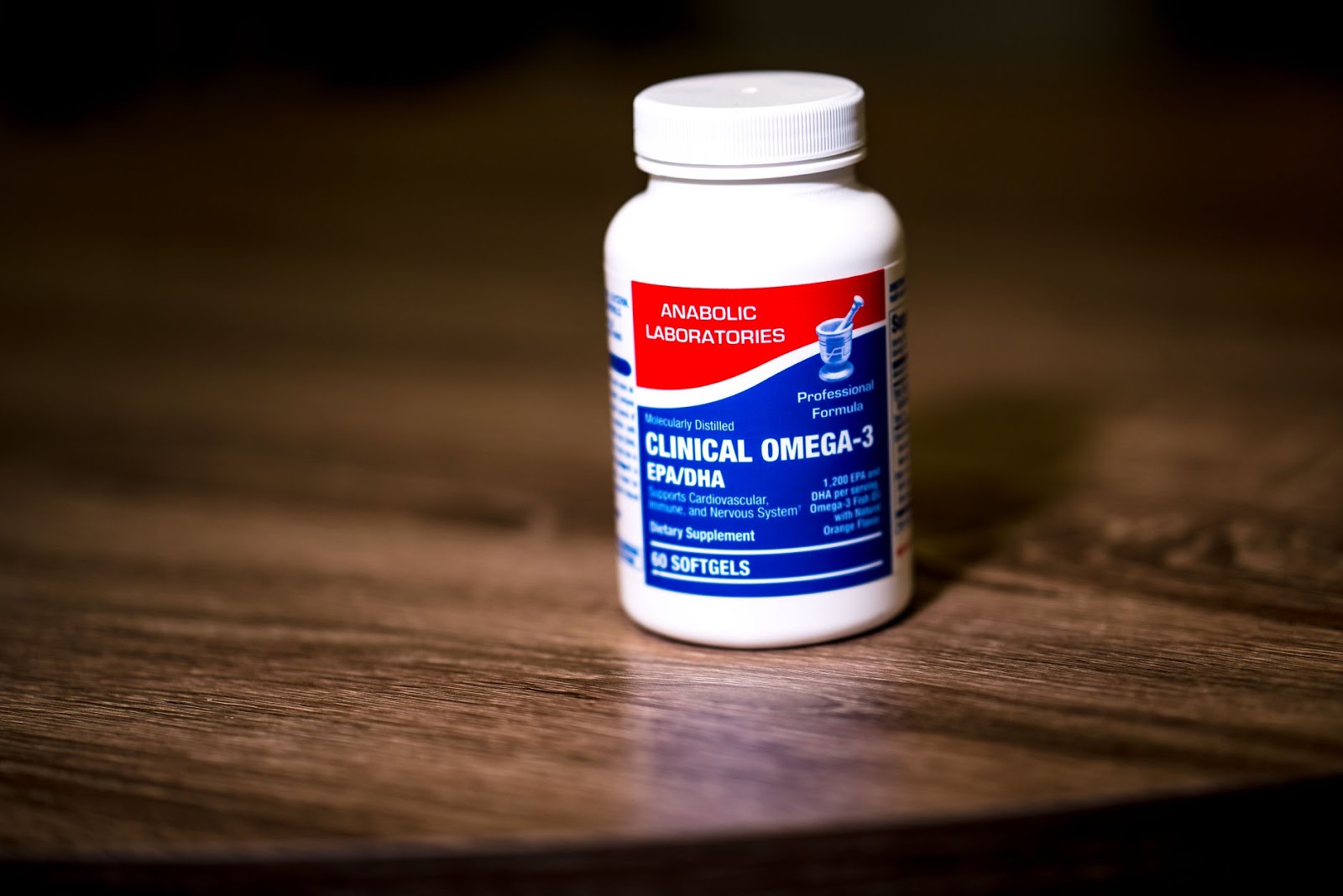
The absolute best way to see the most benefit is to reduce processed oils as much as possible and to take 2-3 grams of omega 3's specifically EPA/DHA per day.
Many people take omega 3's on and off but because they don't notice an immediate impact they stop taking them, however research is very conclusive that they are very beneficial long term.
Buying high quality supplements is key, if you aren't you are wasting your money.