Showing posts with label immune system. Show all posts

August 7, 2019

Pets and Dust Boost Mental Health

There is nothing healthier mentally and physically than getting outside and interacting with your environment.
Children raised in a rural environment, surrounded by animals and bacteria-laden dust, grow up to have more stress-resilient immune systems and might be at lower risk of mental illness, asthma and allergies than pet-free city dwellers, according to research published in the Proceedings of the National Academy of Sciences (PNAS).
If you are not exposed to these types of organisms, your immune system can't develop a balance between inflammatory and anti-inflammatory forces. This leads to chronic, low-grade inflammation and exaggerated immune reactivity that makes you vulnerable to allergy, autoimmune disease and, we propose, psychiatric disorders.
You can read the full article here: https://www.colorado.edu

June 15, 2019

Buying Local Honey

Eating local food is great for the community and the environment but also for your health. Many people suffer from seasonal allergies (also known as hay fever or allergic rhinitis) especially in the spring when trees and plants start to release pollen and mold spores into the air.
When these tiny particles come into contact with your immune system it creates an allergic reaction inside most people's body leading to the sneezing, runny noses, sinus congestion and other allergy symptoms.
When bees fly from plant to plant collecting nectar to make honey they also collect pollen and mold spores on them. While making honey, small amounts of these particles are in the honey. Eating honey that contains these small particles can mildly stimulate your immune system preparing it for other pollen or mold particles that you might come into contact with in the air. If you do have an allergic reaction, this can help to reduce or eliminate the symptoms you are having.
For honey with health benefits, buy honey that is made as close to where you live so that the bees are in contact with the same plants you are in contact with.
Where do you purchase locally produced honey?

June 9, 2019

Food Journaling

Start a food journal:
(Share one thing you have noticed about your sensitivities below for others to see.)
There is not a single food on earth that is healthy for everyone because we all have different metabolisms, food allergies, sensitivities and digestive tracts.
Keeping a close eye on how you feel day to day can really help you clean up your nutrition protocol and get you feeling, sleeping and thinking at your best all the time instead of sporadically.
For example this is just a list of a few things I have personally noticed:
1. Too many raw nuts irritate my stomach
2. Eating apples plain makes me extremely hungry an hour later
3. Too many grains of any sort causes bloating and swelling for 12-24 hours. 4. All forms of beans irritate my stomach and cause bloating
5. White potatoes make my hands itchy and also make me feel bloated
6. Hot coffee just makes me go to the bathroom every hour and makes me lose focus
7. Too much cauliflower irritates my thyroid
8. Drinking the recommended 8+ glasses of water per day just causes it to sit in my stomach causing me to feel out of it and uncomfortable.
9. Too much raw spinach causes my kidneys to ache
10. If I take 400 mg of magnesium before bed I don't wake up at 3 AM
11. If I eat mostly meat, vegetables and berries along with intermittent fasting 3-5 days per week I feel extremely good physically and mentally.

How you do it:
1. Start seeing how you look (bloated or not), feel (mentally and physically) l and preform (how's your energy or if you are an athlete how was your workout?) on a daily basis, if anything is different day to day look at what you have been eating. Especially look at days where you feel really good and really bad.
2. The next time you eat the suspect food see what happens.
3. Start to remove things that don't sit well with you and customize your diet by the things you tolerate the best.
Remember, just because your family and friends does well with a certain food doesn't mean you will.

March 29, 2019

Improve Memory Loss and Dementia With Meriva

Worried about memory loss or dementia?
People that supplemented with a bioavailable type of curcumin such as Meriva had a 28% improvement in memory and attention abilities, improvements in mood, and less amyloid and tau signals in the brain. These changes help to boost memory and reduce the risk of dementia compared to those taking a placebo.
This study used 90 mg, twice a day. Meriva, which is a curcumin phytosome, has also been shown to reduce inflammation, pain, and improve mood in many other clinical trials as well.
We carry Anabolic Labs Nutra-Disc at all our locations that contains Meriva and is one of the only quality products like it on the market.
You can read the study here: https://www.sciencedirect.com/science/article/

February 20, 2019

Balancing Fatty Acids

Omega-3, Omega-6, fatty acids, fish oil… what does all this mean?
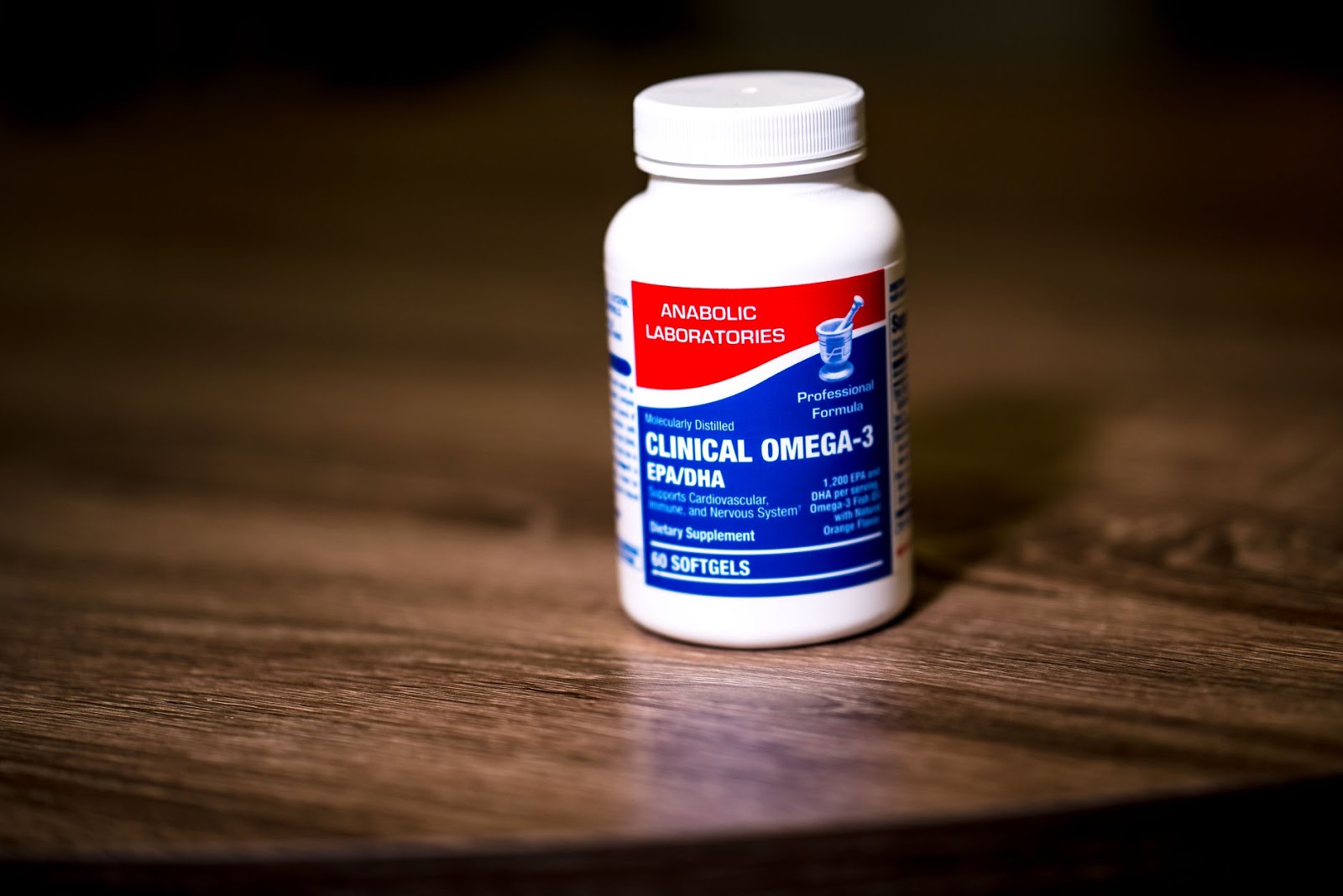
Omega-3 and Omega-6 fatty acids need to have a balanced ratio in our body. Ideally, it is good to have a ratio of 4:1 or less of Omega-6 to Omega-3 acids, but recent studies show that 95% of foods consumed in the U.S. are processed, driving this ratio up to 20:1 or even 50:1 in some people.
The average American has 24 times too much inflammation and this is why NSAID's (Aspirin, Tylenol, Ibuprofen, etc.) are the #1 over the counter medications and the rate of chronic inflammatory diseases is at an all-time high.
Keeping a balanced ratio helps reduce inflammation, and inflammation can lead to a variety of conditions ranging from mild back pain to heart disease and cancer. Eat more green vegetables, grass-fed meats, cage-free farm fresh eggs, wild game, fresh fish, flaxseeds, chia and hemp seeds. Avoid processed foods that have high amounts of Omega-6’s including grain, flour, corn, seeds, seed oils, grain fed meat and eggs, and farmed fish.
In addition to healthy eating, supplementing your diet with high-quality fish oil is very beneficial, and using a quality supplement is important in order to avoid high levels of mercury.

December 17, 2018

Understanding Gut Health


Prebiotics, probiotics, synbiotics, postbiotics - this article helps unpack the terms you need to know in order to understand gut health.

Source: https://www.marksdailyapple.com/

November 3, 2018

Vitamin D-3 for Seasonal Sickness


As we transition to less sunlight - both because there's les time during the day when the sun is out and because people spend more time indoors because of the weather - it becomes time to think about your vitamin D levels.
Sunlight increases the amount of Vitamin D-3 produced inside your body. Vitamin D-3 is actually a hormone that plays many vital roles in our bodies, especially in regulating our immune system.
Flu season follows the cycle of the sun around the world. Meaning anywhere in the world where sunlight is the least seasonally people are getting sick. Research has shown that lack of Vitamin D-3 is one of the big reasons for this.
Most people benefit greatly from taking 2,000 IU to 5,000 IU per day, but getting your levels tested is the only way to know exactly where your levels are at and what your supplementation amount should be!
Share this for anyone who suffers from seasonal sickness!

September 29, 2018

5 Tips to Naturally Boost Your Child's Immune System

As the days get shorter and there is less sunshine, our immune systems typically can take a hit causing a "cold and flu season." 

Especially if you have kids in school, follow these tips to keep their immune systems strong. 


1. Wash hands regularly -- when you get home from an outing, before eating and after sneezing or coughing. Do not use an anti-bacterial soap. We like Dr. Bronner's, Honest Company or Method brand soaps. If you are on the go, find a safe hand sanitizer such as Honest Company's hand sanitizer (also available in a convenient spray, available at Kehres Health & Chiropractic, Target or Honest.com).

2. Use Xlear nose spray -- Dr. Elisa Song, MD says "one of the MOST preventive things you can do is to irrigate your and your children’s nasal passages with Xlear nasal spray at the end of every day, and after any potential exposure (work, school, playgroups, plane travel, etc.). This is a saline nasal spray with xylitol and grapefruit seed extract, both of which have antimicrobial properties. After exposure to a virus, the virus tries to invade and multiply in your nasal passages for at least 1-2 days before you develop any symptoms. Nasal irrigation can wash away viral particles before they have the opportunity to take hold, and thereby prevent many infections from happening in the first place!"

3. Take Vitamin D3 supplements -- as we get less sunshine in the fall and winter, it can deplete our immune system. There are many great kids' Vitamin D3 supplements on the market. Make sure they are GMP Certified (Good Manufacturing Process). Read more about the benefits of Vitamin D3 here.

4. Get plenty of sleep -- Sleep is when your body heals. Lack of sleep can cause inflammation, which can cause disease and illness. Do everything you can to reduce light in the bedroom (no tablets or tvs, use blackout curtains).


5. Decrease sugar, increase fruits and vegetables -- holidays, birthday parties, school snacks and more can sneak in more sugar to your child's diet than you would like. It's ok to have treats once in a while, but be sure they eat healthy food before these events and keep only healthy food at home. Kids do not need juice, stop buying it and it is an easy way to reduce sugar in their diets (while saving you money at the grocery store). Veggie shakes are a great way for our kids to get extra fruits and vegetables. 

(These statements are of a general nature, consult your primary care doctor before using any product.)

May 6, 2018

Dust and Pets May Boost Mental Health


Eat some dirt and get a pet goat. Jen, can we get a goat?!
There is nothing healthier mentally and physically than getting outside and interacting with your environment.
Children raised in a rural environment, surrounded by animals and bacteria-laden dust, grow up to have more stress-resilient immune systems and might be at lower risk of mental illness, asthma and allergies than pet-free city dwellers, according to new research published this week in the Proceedings of the National Academy of Sciences (PNAS).
If you are not exposed to these types of organisms, then your immune system doesn't develop a balance between inflammatory and anti-inflammatory forces, and you can develop a chronic, low-grade inflammation and exaggerated immune reactivity that makes you vulnerable to allergy, autoimmune disease and, we propose, psychiatric disorders.

Full Article: https://www.colorado.edu

February 26, 2018

Natural Immune Boosting

Did you know that the gut is considered by many to be a second brain?
The health of your gut dictates the overall health of your body as research has shown that it's the most powerful immune organ.
Also, if your stomach and intestines aren't digesting food properly you are always going to be deficient in nutrients vital for repair no matter how healthy you eat. #immuneboost